Sports have always been intertwined with racial inequality. Black athletes were among some of the first activists to successfully achieve integration in high-profile spaces. They called out and conquered the uneven playing field of American social politics—on actual playing fields.
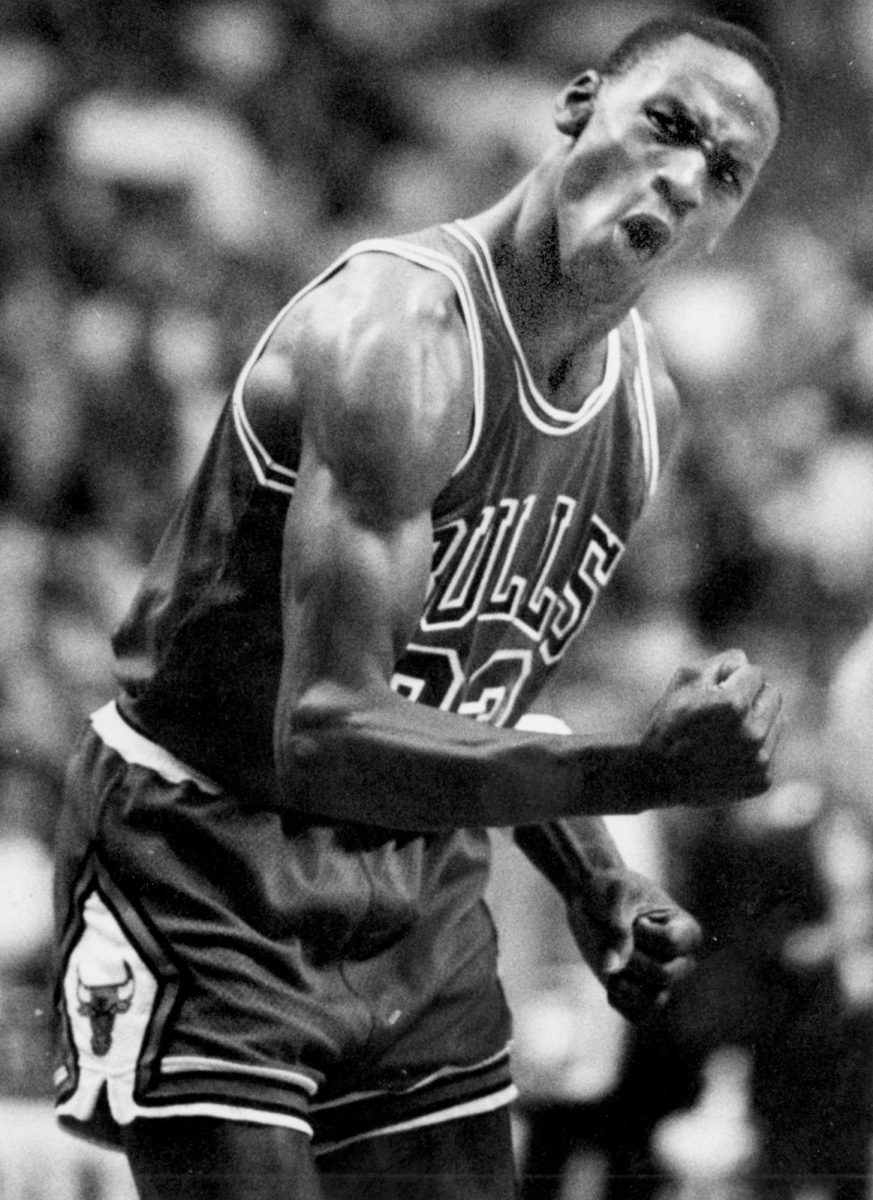
In today’s professional sports landscape, African Americans account for about 41% of the rosters in the five major American sports leagues. The NBA in particular is dominated by nearly 75% Black athletes. Many of the greats of sports history are Black athletes: Michael Jordan, Serena Williams, Muhammed Ali, Jesse Owens, Jackie Robinson—the list of elites goes on and on.
But instead of simply celebrating these incredible athletes, many white Americans make the assumption that Black athletes are gifted some unfair natural advantage over their white counterparts. This stereotype is false. Yet, it persists. And built on ignorance, the falsehood continues to cause harm to Black athletes.
Mary-Stella Mangina, Sports Editor for The Flor-Ala publication of the University of North Alabama, discusses the complexity of this stereotype.
“American sporting programs, primarily those affiliated with football and basketball, are predominantly excelled at by Black men and women because Black children are systematically taught by the American education system that collectively, their sole chance of success lies in their ability to be either exceedingly physically imposing or unfalteringly entertaining,” Mangina writes.
In other words, it’s easy for the white American public (and large corporations) to acknowledge the success of Black athleticism in football and basketball. Especially now, during Black History Month, some use Black athletes for publicity, and turn a profit on their successes.
However, the statistics of NBA and NFL rosters aren’t accidental, or some unfair advantage. Black athletes face stronger barriers in other white-dominated sports—lacrosse, golf, soccer, swimming and baseball, to name a few—with even less support and publicity.
“Football and basketball are relatively affordable athletic pursuits,” Mangina writes. “Taking note of the current state of the wealth disparity between Black and white families in North America, it should not come as a shock that Black children far outnumber their white counterparts in regional football and basketball groups. Nor should it be surprising that the opposite rings true for white kids enrolled in expensive golf clubs and soccer camps.”
What’s more, Black athletes are far less likely to be recognized for their intellectual prowess on the field than white athletes. Take football, for example. A Black receiver might be praised by the (usually white) announcers for their “incredible speed and agility,” while the white quarterback would probably be lauded for their “smart play-calling” and “quick thinking.”
Sports have always been a political playing field, but they have also fostered great progress and celebration of diversity. From rookie clubs to the professional leagues, sports fans must acknowledge the racial stereotypes that still permeate today’s athletic environment.