Note: the terms “football” and “soccer” are used interchangeably in this article and refer to traditional football, not the American version.
In the United States, American football dominates. So why, every four years during the World Cup, does the country join the rest of the world in its fascination with soccer? And this begs the question, what about soccer is so powerful that it becomes the one thing a divided globe can agree on?
The late Russian composer Dmitri Shostakovich said, “Football is the ballet of the masses.” Never is this statement more relevant than during the World Cup, as thousands of fans flock to North American stadiums to cheer on their respective teams. But outside the quadrennial event, soccer is still the most popular sport globally.
To begin, it’s important to understand where football came from. The organized soccer played today originated in England in the 1800s, but forms of the game were played in Mesoamerica, China, Australia and Greece thousands of years ago. Once it took off in England, teams and leagues began springing up around the globe, eventually forming the present massive soccer community.
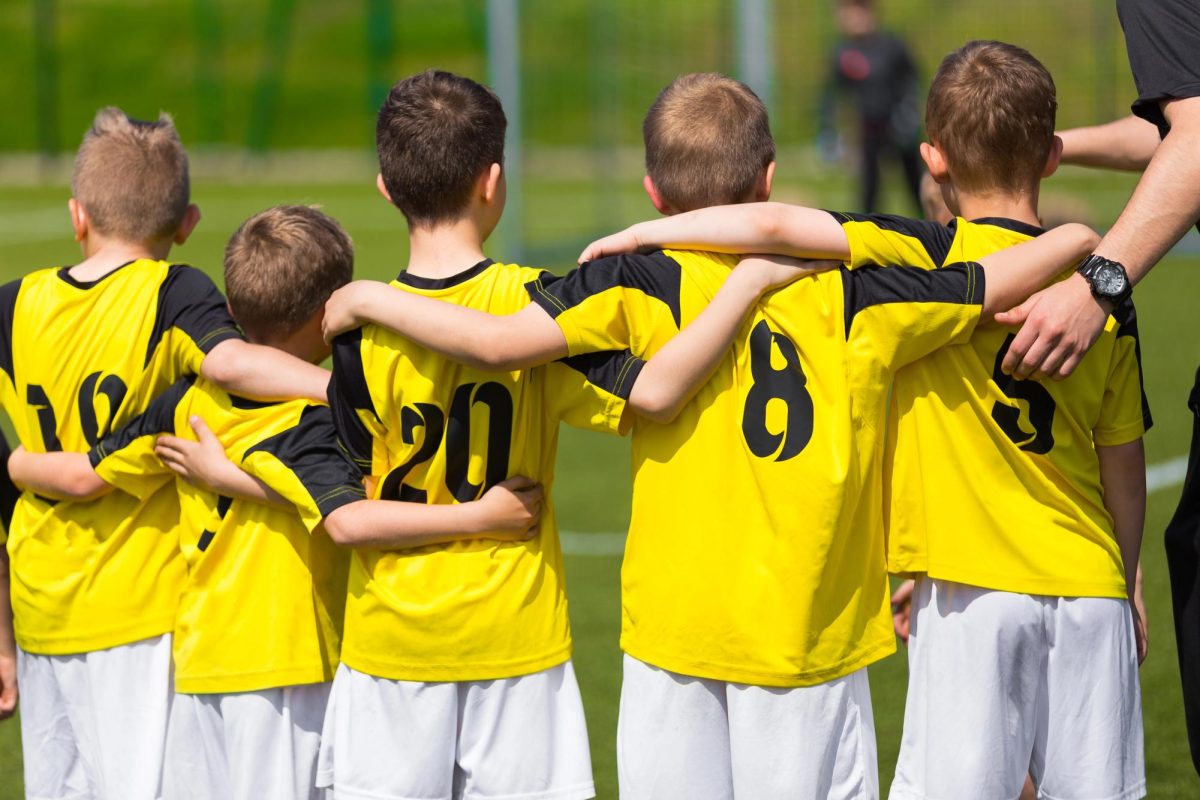
One reason for football’s overwhelming popularity is the accessible nature of the sport. While it’s gotten expensive to play for official teams, soccer in its pure form doesn’t require much funding. Anything spherical with a slight bounce can be used as a ball, such as trash bags balled up and duck-taped together (yes, this really gets the job done).
Formal fields aren’t needed to host games; soccer can be played on any surface with regular objects acting as goal boundaries. Since really anyone can play football, it makes sense that it is so popular worldwide.
But that still doesn’t explain the diehard fanbase and network soccer has accumulated: the World Cup is the most-watched sporting event globally, beating out the Super Bowl and even the Olympics. The 2022 finals between France and Argentina had 1.5 billion viewers alone.
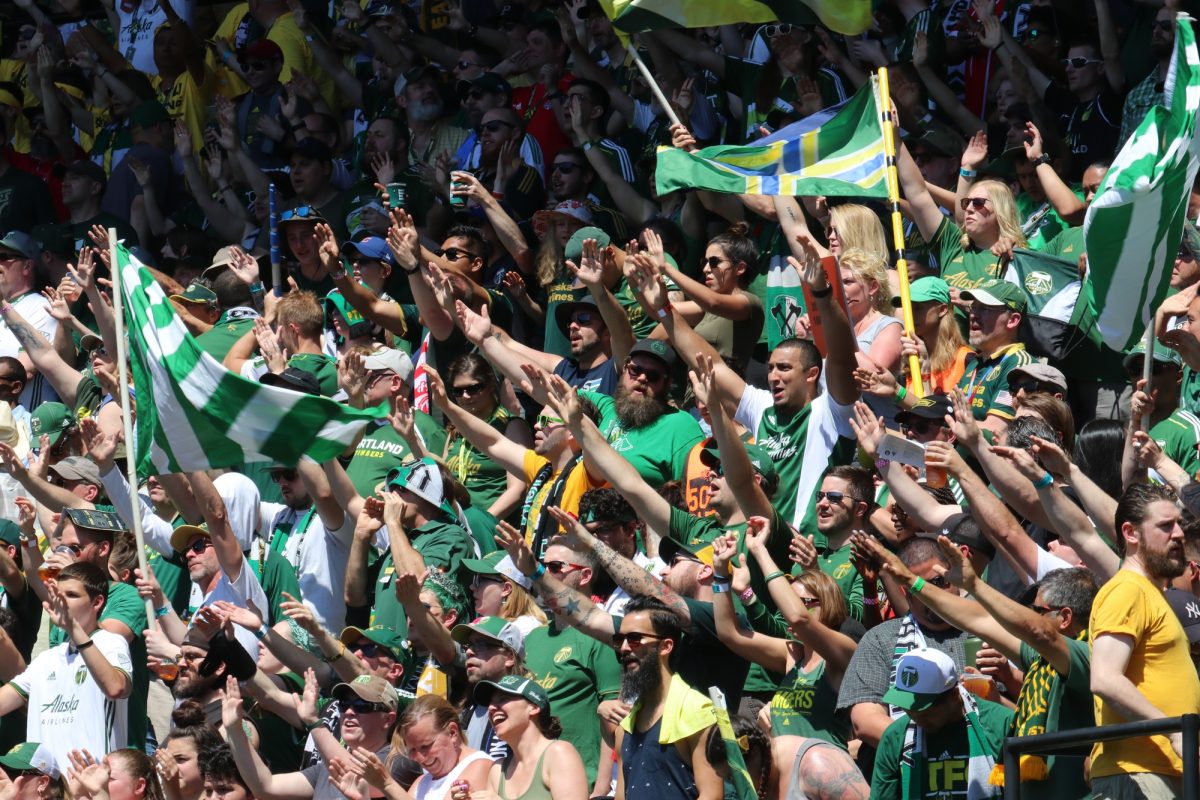
The answer boils down to one thing–identity. National pride hinges on the results of the World Cup, communities rally together to root for their favorite local programs and one’s self-proclaimed “favorite team” is often seen as an extension of their personality. No sight can compare to that of a sold-out stadium flooded with matching jerseys and overtaken by the sound of national anthems and chants.
Of course, all mainstream sports are built off the national, communal and personal emotions fans associate with it. But soccer is different because the love for one game spans across so many countries. In other words, football is a representation of global identity and unity, which is why an event like the World Cup, or any soccer match for that matter, is meaningful.